
blog post

Iconic Landmarks of Old San Juan: A Walkable Guide Through History
Iconic Landmarks of Old San Juan
A Walkable Guide Through History
Old San Juan is one of the most walkable historic cities in the Americas. Within just a few square miles, you can experience over 500 years of history, architecture, and culture entirely on foot.
This guide highlights the most iconic landmarks in Old San Juan and shows how they naturally connect through a walkable route that works for most visitors.
Is Old San Juan Walkable?
Yes.
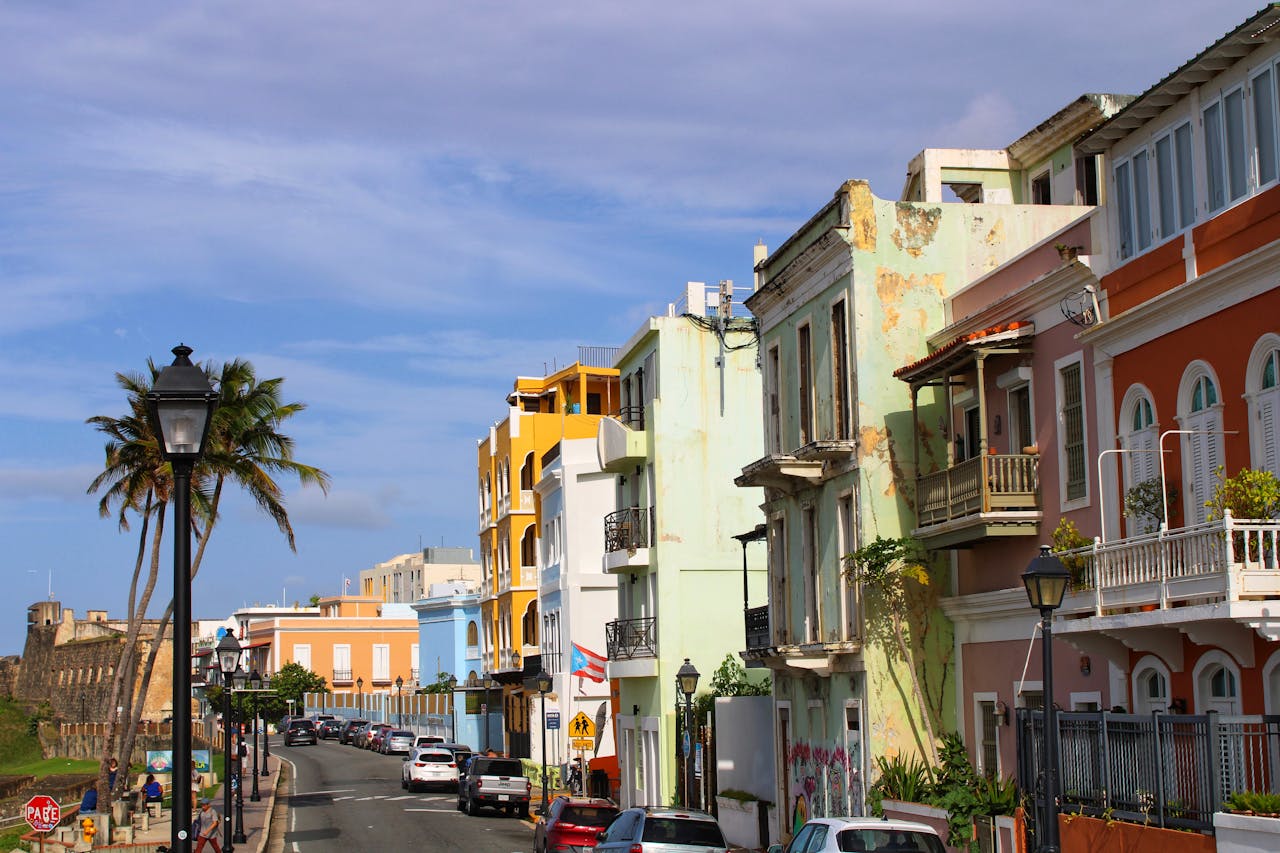
Old San Juan was designed long before cars. Its compact layout, narrow streets, and public plazas make it ideal for walking.
What to expect:
- Short distances between landmarks
- Frequent plazas for rest and shade
- Shops and cafes along most routes
- Scenic viewpoints built into the city walls
Comfortable shoes are essential due to cobblestones and slopes, but most major sites are reachable without transportation.
El Morro Castle
Castillo San Felipe del Morro
El Morro is the most recognizable landmark in Old San Juan.
Why it matters:
- Built beginning in 1539
- Defended San Juan for over 400 years
- Offers sweeping views of the Atlantic Ocean
The wide esplanade surrounding the fort is flat and open, making it one of the most accessible areas in the city.
San Cristóbal Castle
Castillo San Cristóbal
Often overlooked, San Cristóbal is actually the largest Spanish fortification built in the Americas.
Why it matters:
- Protected the land entrance to the city
- Features tunnels, dungeons, and bunkers
- Offers views of San Juan Bay and the metro area
It sits at the eastern edge of Old San Juan and connects naturally to the city’s interior streets.
La Fortaleza
Palacio de Santa Catalina
La Fortaleza is the oldest continuously used executive mansion in the Western Hemisphere.
Why it matters:
- UNESCO World Heritage Site
- Still serves as the Governor’s residence
- Central point in the city’s political history
The surrounding streets and plazas make this one of the most photographed areas in Old San Juan.
Catedral Basilica Menor de San Juan Bautista
One of the oldest churches in the Americas.
Why it matters:
- Houses the tomb of Juan Ponce de León
- Includes original 16th-century architectural elements
- Active place of worship today
Its central location makes it an easy stop while walking between plazas.
La Rogativa and the San Juan Gate
This area marks one of the most dramatic moments in San Juan’s history.
Why it matters:
- Commemorates the 1797 defense against the British
- Overlooks San Juan Bay
- Connects directly to the historic city gate
It is also one of the best viewpoints for photos and sunset walks.
Plaza de Armas and City Hall
The civic heart of Old San Juan.
Why it matters:
- Traditional gathering place
- Home to San Juan City Hall
- Features fountains and public art
Plazas like this are ideal for resting, people-watching, and orienting yourself during a walk.
La Casa Estrecha
A small landmark with big character.
Why it matters:
- Recognized as the narrowest house in North America
- Represents creative urban adaptation
- Located along a common walking route
It is a quick but memorable stop.
Can You See These Landmarks in One Day?
Yes.
Most visitors can comfortably see these landmarks in three to four hours at a relaxed pace. The route naturally flows downhill depending on where you start, making it manageable even in warm weather.
Plazas, shaded streets, and cafes allow you to take breaks without leaving the historic zone.
A Guided Way to Experience It All
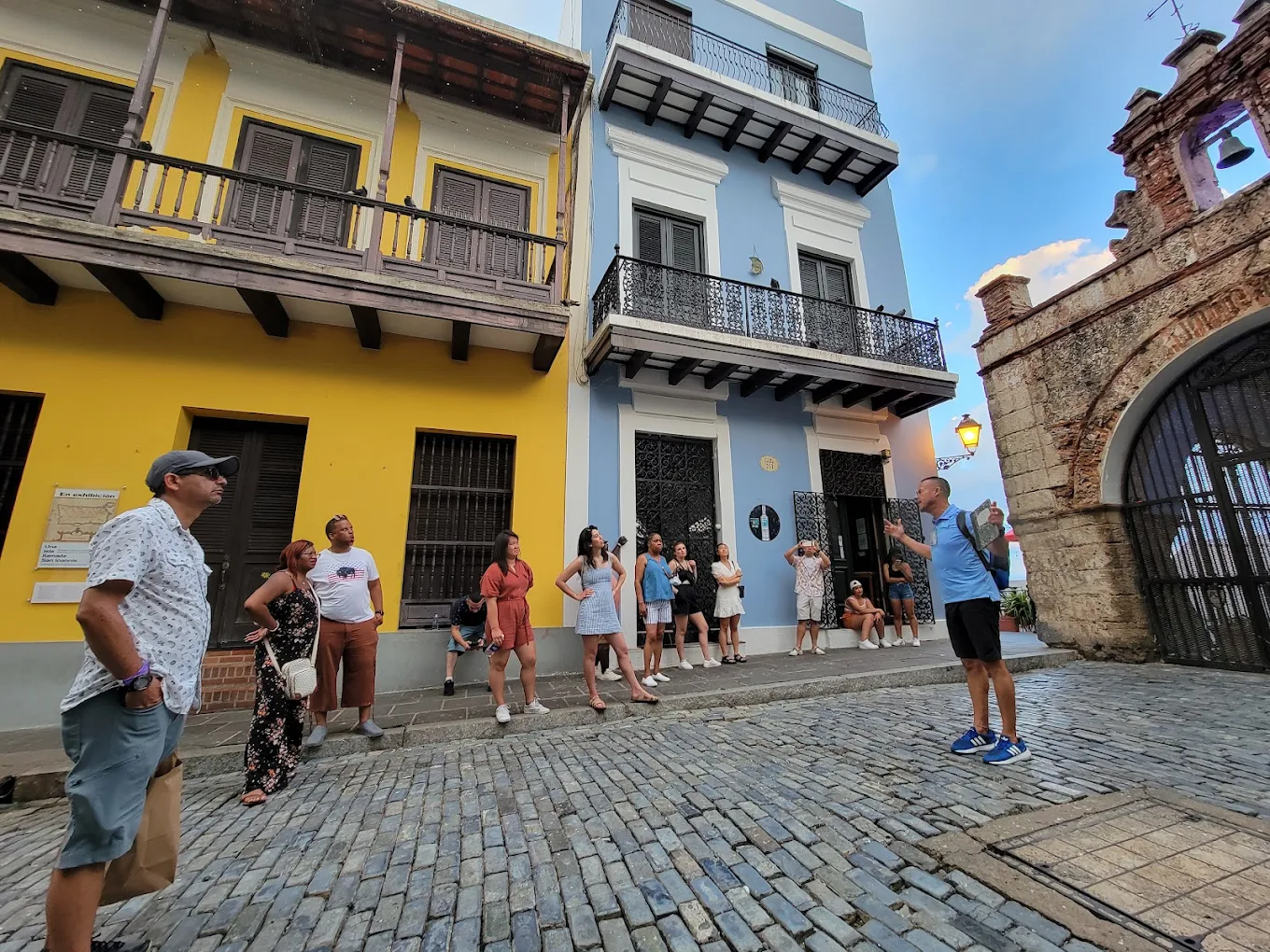
Some visitors prefer to explore Old San Juan independently. Others find that having context transforms what they see.
Guided walking tours help connect:
- Fortifications to daily life
- Architecture to historical events
- Streets to stories that shaped Puerto Rico
Patria Tours offers walking tours that follow this same walkable route, adding historical context while keeping the pace comfortable and practical.
Old San Juan Was Built to Be Walked
Old San Juan rewards curiosity on foot. Every corner reveals a layer of history, and every plaza offers a moment to pause.
Whether you explore on your own or with a guide, walking remains the best way to experience the city’s past and present in one continuous journey.
Tour Puerto Rico Today
